September 7, 2018 at 4:06 p.m.
SW Wisconsin Deer and Predator Study shows some probable effects of CWD on deer herd
More information being gathered
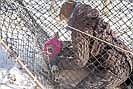
When the capture season wrapped up in March, 208 deer had been trapped. Of those, 14 were recaptures from last year, with the other 194 being fitted with GPS collars. The two-year total for collared deer in the study is now 332.
Some of the deer captured were not able to be tested for CWD, but 185 of them were.
In all, 15 positives were found, with 12 of those coming from the East Study area. Only two deer, an 8-month old female and a male over 2 years old, were found to be CWD-positive in the low CWD-prevalence area.
The tests were taken via a biopsy of the deer's lymph nodes, leaving the deer alive. Capturing and testing deer in this fashion is expensive, this not a viable option for use across the state, but it was useful of this study.
Deer survival is also being monitored in this study, which is now at its halfway point. Of course, there are many things that affect deer mortality, but the current report is focused on the affects of CWD on deer survival. CWD is likely to reduce deer populations, studies have shown. However, like many diseases, the study reported, dying from CWD often means dying from complications related to that infection. Conditions such as pneumonia are not uncommon causes of mortality of infected deer, experts say.
A graph included in the study shows survival of CWD-positive and CWD-negative deer through time. The vertical axis shows the percentage of animals alive and the horizontal axis is time. According to the study, almost 90 percent of deer testing negative for the disease are expected to survive to the next hunting season, while only 50 percent of positive-testing animals will remain on the landscape.
By the end of 2017, the graph shows, only 25 percent of CWD-positive deer were still alive, while approximately 75 percent of CWD-negative deer had survived. It should be noted the graph simply depicts whether or not the animals in each group were still alive, not the cause of the mortality. Also, because the negative sample size was bigger than the positive sample size, researchers can feel more sure of the estimation of the CWD-negative results than they can with the CWD-positive group. It was also noted that many more years of data will be needed to fully understand how big the difference actually is. While the difference is notable, it should be kept in mind that 12 CWD-positive animals is a relatively small sample.
Of the CWD-positive deer that have died to date, at least four died directly from the disease and were found dead and obviously emaciated, according to the study.
Two of those deer had pneumonia. Three positive deer were found significantly consumed by coyotes, although it is uncertain if it was through predation or scavenging, but one was captured previously on a trail cam with the look of a deer sick with the disease. Another CWD-positive deer was harvested by a hunter during the 9-day firearm season.
As expected, researchers now can be confident the survival rate of CWD-positive animals is less than those who were not affected by the disease. The preliminary analysis, the study said, "suggests CWD may be negatively impacting deer survival in Wisconsin and it certainly warrants paying attention to as the study moves forward."
For those interested in following the study, more information, including past editions of the Field Notes newsletter and an option to sign up for email updates, can be found on the DNR website dnr.wi.gov by typing "SW deer predator study" into the search box on any page of the website.
Beckie Gaskill may be reached via email at [email protected].
WEATHER SPONSORED BY
E-Editions
Latest News
E-Editions
Events
May
To Submit an Event Sign in first
Today's Events
No calendar events have been scheduled for today.

Comments:
You must login to comment.