August 31, 2018 at 4:59 p.m.

Natural Resources Board hears update on DMAP
Natural Resources Board hears update on DMAP

By Beckie [email protected]

The Deer Management Assistance Program (DMAP) is a Department of Natural Resources (DNR) program helping landowners manage their lands for deer habitat based on the goals each landowner has for their property. Recently, Bob Nack, DNR DMAP spokesperson, provided an update on the program to the Natural Resources Board (NRB).

There are three levels of involvement in the DMAP program open to landowners with various amounts of land. Whether a landowner has 5 acres or 500 acres, the DNR program has a great deal to offer, Nack said.

In Level 1, there is no acreage requirement and also no fee involved in enrolling in the program. Cooperators at this level have access to a cast library of habitat management resources as well as direct communication with professional biologist and foresters through various workshops.

Six of those workshops will take place in 2018, Nack said, with several already being held across the state. These workshops cover topics such as deer ecology and research and habitat management. The workshops are well-attended by those in the program, he said. Cooperators at this level may also enroll in citizen science projects including gathering expensive information about deer shot on their property.

The DNR then uses this information to look at the overall health of the deer herd to make determinations regarding how well the population over-wintered. They can also look at the habitat available in different areas and what that means as far as health of the deer population there.

Those determinations can be used to help with habitat management decisions in the future for other DMAP cooperators.

In the second and third levels of the program, there is an associated fee as well as a minimum acreage. Level 2 requires 160 acres and enrollment is $75 per year. Level 3 cooperators must have at least 640 acres and will pay a $150 fee to enroll in the property. These levels come with additional resources, however.

At either level, a professional biologist and forester visit the property and do a walk-through with the land owner. From there a detailed habitat management plan is created based on the goals of the land owner. This customized plan is then used by the landowner to reach those goals.

Each landowner is also provided with reduced-price antlerless tags in areas where those tags are available and they are provided with an annual deer harvest report. This report details all of the information sent in about each deer harvested from that property. Information is taken from each deer harvested including carcass weight, hind leg length, chest girth, rump fat, a heart fat photo, antler measurements for bucks, and also a tooth sample.

All of this information on deer health is added together with forest health information gathered from each DMAP cooperator to help the DNR learn more about optimal conditions for each property as well as what may be optimal in each county and region in the state.

This particular study is going into its third year. Information in the deer harvest report allows a cooperator to look at his deer and how they "stack up" against other deer in the state, Daniel Storm, who presented this study to the NRB, said. It also allows DNR researchers to look at what may be making the difference in herd health.

For instance, he spoke of an antler size variation in 2.5-year-old bucks from 7-18 inches. In some areas, deer of the same age have much larger antlers. When the areas are studied for habitat health, if a trend emerges showing a certain browse type, density and variety are present in areas with bucks with larger antlers, that information can be used to possibly increase herd health (create bigger racks in bucks) in areas that lag behind in antler growth. This is just one example of how the information collected could be used, he said.

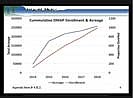
Overall, satisfaction with those in the DMAP program who were surveyed was high, according to Nack. However, some in the Level 1 category thought they were not getting as much from the program as they would have liked. In response to that, Nack told the NRB, the DMAP program would be offering site visits to those Level 1 cooperators who qualified by having at least 10 friends, families and neighbors who would attend the visit and be interested in learning more about improving habitat for wildlife on their own properties. Those requests would be reviewed on a case-by-case basis, he said. Since 2014, the number of cooperators, as well as the number of acres enrolled has increased drastically, Nack said. A final report of the study findings will be available in the summer of 2019. He felt those findings would be helpful to all cooperators across the state, and also for the DNR when making management decisions on public lands.

Beckie Gaskill may be reached via email at [email protected].


Comments:

You must login to comment.

Sign in
RHINELANDER

WEATHER SPONSORED BY

Latest News

Events

May

SU
MO
TU
WE
TH
FR
SA
26
27
28
29
30
1
2
3
4
5
6
7
8
9
31
1
2
3
4
5
6
SUN
MON
TUE
WED
THU
FRI
SAT
SUN MON TUE WED THU FRI SAT
26 27 28 29 30 1 2
3 4 5 6 7 8 9
10 11 12 13 14 15 16
17 18 19 20 21 22 23
24 25 26 27 28 29 30
31 1 2 3 4 5 6

To Submit an Event Sign in first

Today's Events

No calendar events have been scheduled for today.